





Prime Day often lands in July with occasional autumn editions, driving sitewide lightning deals and aggressive traffic acquisition. China’s 618 in June warms up the summer, while Singles’ Day on November 11 dwarfs many events through livestreams, coupons, and gamified wallets. Black Friday and Cyber Monday remain Western anchors, but pre‑sales stretch the season. Smart calendars stagger teaser waves, exclusive early access, and last‑minute doorbusters, keeping conversion high while protecting average order value and service levels.
Back‑to‑school reshapes baskets in August and September, shifting focus to devices, apparel, and dorm essentials. Ramadan floats across the solar year, altering meal planning and gifting windows across the Middle East and Southeast Asia. Diwali, Golden Week, and local payday cycles further reframe timing and tone, demanding tailored imagery, languages, and payment methods. Retailers that respect cultural nuance, shipping cutoffs, and community traditions see stronger trust, lower return friction, and a compounding lift in repeat purchase behavior after the event glow fades.
Blend historical event curves with search trend velocity, waitlist counts, and creator pre‑engagement to predict demand by category and SKU. Factor shipping cutoffs, weather anomalies, and pay calendars to refine daily pacing. Use probabilistic models that translate impressions into stocked units, not just clicks. Stress‑test scenarios for upstream delays and substitution rules. When forecasts live inside replenishment and ad budgets, teams pivot earlier, reducing markdown waste and avoiding emergency buys that crush margins just when visibility matters most.
Attribution gets messy during tentpoles because every channel lights up. Geo‑based experiments, delayed‑exposure cohorts, and PSA‑style holdouts help quantify genuine lift. Calibrate media mix models with short‑term ground truth from randomized tests. Distinguish reactivation from acquisition and measure halo effects on non‑discounted items. Treat affiliate spikes cautiously when coupon sites capture last‑click credit. Tie results to margin after returns and support costs. When leadership sees clean incrementality, budgets grow with confidence instead of reactive cuts and internal skepticism.

Structure communications as a gentle ascent: save‑the‑date, early peek, full reveal, live now, and thoughtful last call. Segment by engagement depth, suppressing daily blasts to loyal buyers who already converted. Subject lines emphasize outcomes and categories over raw percentages. Creative variants highlight bundles, shipping deadlines, and easy returns. After purchase, switch to care instructions, setup guidance, and cross‑sells that genuinely help. This cadence grows revenue without burning lists, and it earns permission for the next big moment on your calendar.
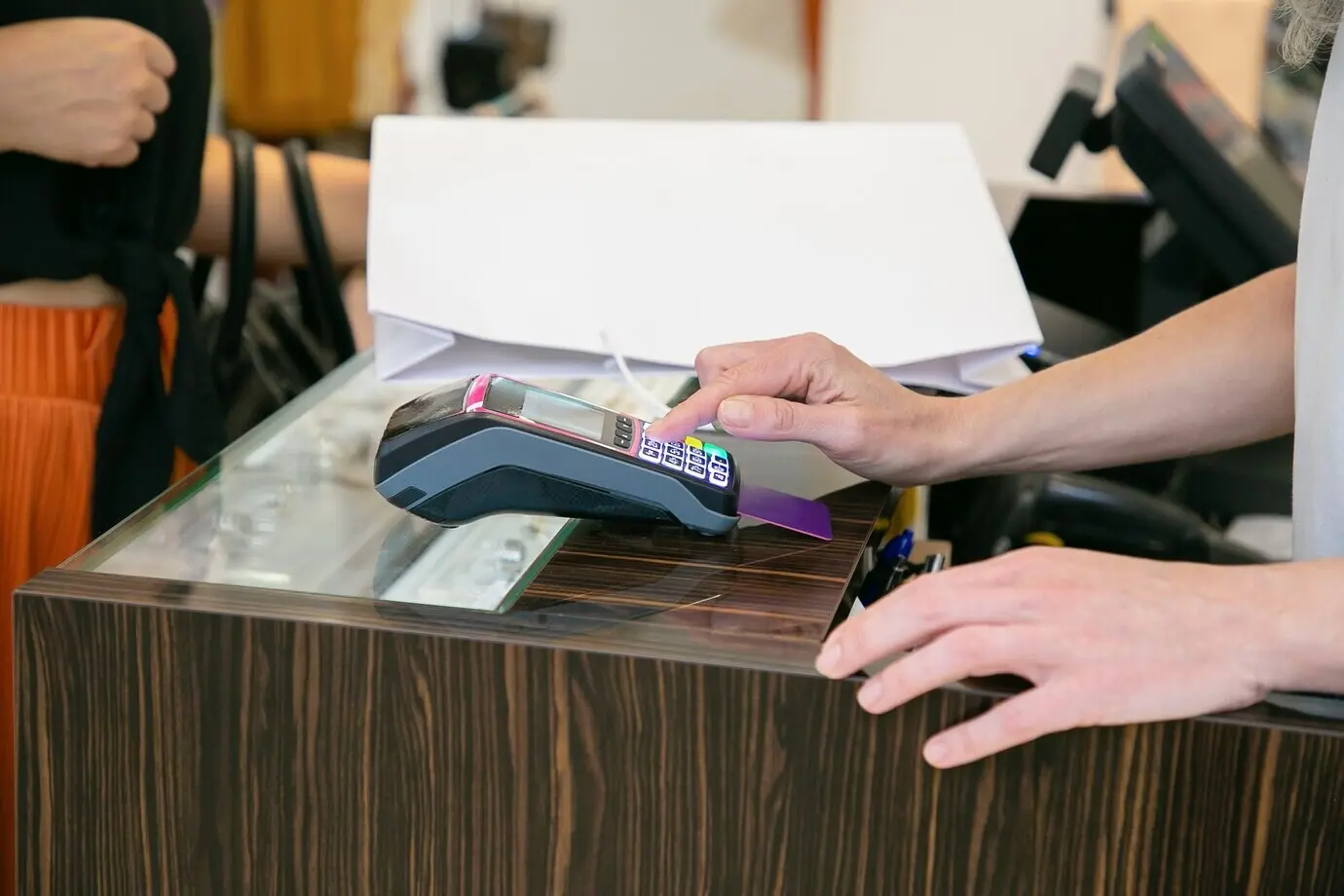
Design the event hub with scannable filters, trusted price anchors, and quick views that minimize pogo‑sticking. Showcase badges for limited quantities and delivery dates that reflect real capacity. Recommendation rails prioritize complementary items, not random upsells. Search synonyms catch colloquial product names and misspellings. Checkout highlights secure payments and transparent return windows. Post‑event, convert browsers with extended offers on complementary categories. When the experience reduces uncertainty at every step, shoppers feel guided rather than pushed, and baskets grow naturally.

Anecdotes beat slogans. Share how a small home brand doubled first‑time customers by bundling refills, or how a gamer upgraded peripherals after a convincing creator demo. Use short videos to show real‑world outcomes, not just specs. Celebrate staff pick lists and behind‑the‑scenes prep. Encourage customers to post setups or before‑and‑after shots with modest rewards. Thread these stories across platforms so curiosity flows to action. Done right, narrative elevates discounts into meaningful progress for shoppers’ projects and passions.
All Rights Reserved.